Walk Tel Aviv’s White City from Bialik and Liebling Haus to Rothschild
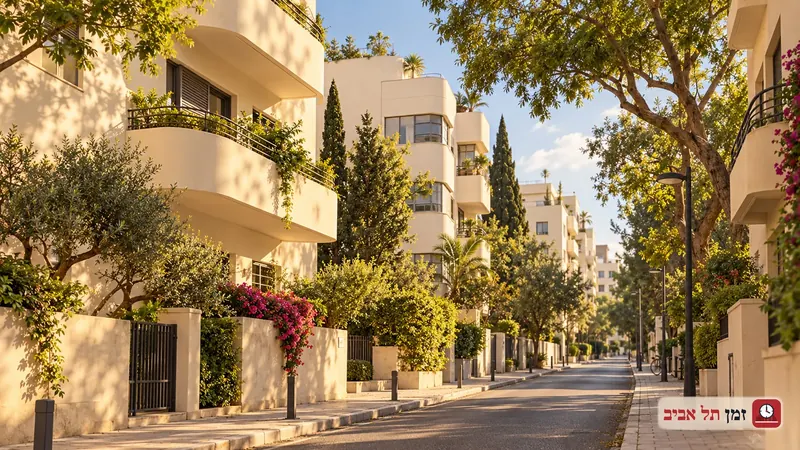
You can begin exploring Tel Aviv's White City with one balcony, the shade beneath it and the space between a building and the pavement. A long checklist of famous addresses is optional. Looking closely at those relationships makes architecture easier to connect with everyday life. This self-guided walk begins around Bialik Square and Liebling Haus, with an optional extension to Rothschild Boulevard and the Habima area.
Treat it as a flexible sequence of places, not a booked tour or a promise of access to every building. The streets are public space; many of the buildings are private homes. Institutional information was checked on October 17, 2026. Before setting out, confirm the hours of any interior you want to visit, the weather and a route suitable for your walking and access needs.
Understand the White City before identifying a building
UNESCO inscribed Tel Aviv's White City on the World Heritage List in 2003. Its description concerns an urban ensemble associated with the Modern Movement, developed mainly from the 1930s to the 1950s and connected with Patrick Geddes's urban plan. The significance lies in the relationship between planning, architecture and adaptation to local conditions, rather than simply the colour of individual walls.
That is why a pale facade alone does not establish that a building is "Bauhaus." The term is common in discussions of Tel Aviv, but identifying a particular building calls for information about its design. At the same time, look at the street as a whole. A balcony or a single window cannot establish an architectural style or construction date by itself.
During the walk, study relationships: openings and walls, balconies and rooms, entrances and gardens. Ask what provides shade, what creates privacy and what connects the house to the street. These are useful observation questions even if you do not know the architect's name. A building information plaque can then add context to something you have already noticed.
Choose one theme for the day, perhaps balconies or entrances. It will help you see differences rather than collect similar photographs. By the end, you will have a few examples to compare and a clearer sense of architecture as a series of responses to living in a particular place.
Start around Bialik Square and choose your pace
The Bialik Square area is a suggested starting point for looking at urban space as well as individual buildings. Stand somewhere that leaves the pavement clear and observe how the square relates to the streets leading into it. Different buildings share the same setting; you do not need to place them all in one architectural category to enjoy the comparison.
After taking in the wider view, choose a detail that interests you. It might be an entrance, a window or a garden marking the boundary between home and street. Look from more than one public vantage point without entering a private courtyard or peering into a home. Changing position can reveal more than another photograph from the same spot.
From this area, continue to Liebling Haus at 29 Idelson Street. Save the address on a map before walking, especially if you are unfamiliar with the neighbourhood. This guide connects points of interest rather than giving turn-by-turn directions. Choose a current route that suits you and use designated crossings where needed.
For children or anyone preferring a shorter outing, the square, nearby facades and one visitor centre can be the whole programme. Rothschild Boulevard is an optional addition after a break. Completing every stop has little value if it turns observation into a rush towards the next address.
Let Liebling Haus connect the details with the story
Liebling Haus, the White City Center, describes its permanent exhibition as an introduction to the city's modernist urban fabric. The building at 29 Idelson Street was designed by Dov Karmi and engineer Zvi Barak, according to the centre's account. It offers a place to add context to what you have seen outside.
The website lists general Sunday-to-Thursday operating hours of 8am to 7pm. Confirm current weekend closing times directly before visiting. Check the particular exhibition, activity or space separately, including holiday arrangements. The contact number is 073-3842650. General house hours do not necessarily describe every service or event inside it.
Bring a question from the walk: how does daylight enter a home, why is a balcony shaped a certain way, or what role does the gap between buildings play? Look for material that helps you explore that question. You do not need to read every display in sequence to make a useful connection between the street and the exhibition.
The centre also describes a public research and reference library where reading is free, with no borrowing for use at home. Confirm the space's availability if that is your main reason for visiting. Admission, booking and charges for exhibitions, workshops or tours should be checked separately rather than inferred from one free service.
Extend the walk to Rothschild or save it for another day
For a longer outing, continue from the Idelson area through the King George and Sheinkin area towards Rothschild Boulevard, then follow the boulevard towards Habima. This is a suggested order of destinations. Check the precise connections on a current map; it is not a certified accessible route, a fixed-distance circuit or a promise of one walking time for everyone.
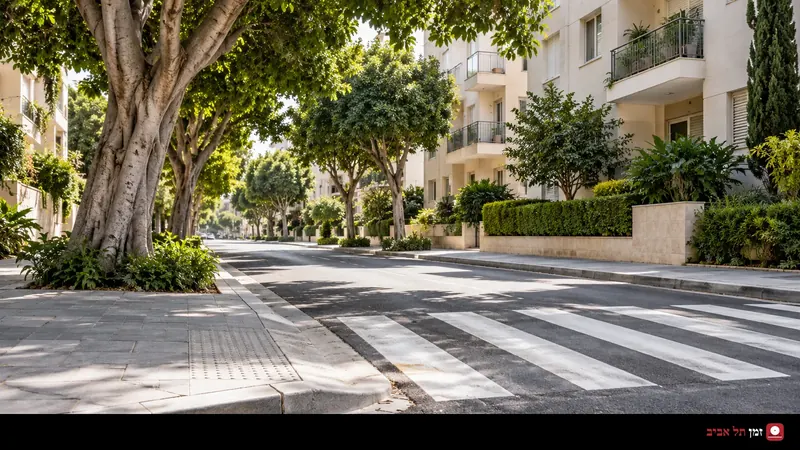
On the boulevard, shift attention from a single house to the space between buildings. How do entrances appear from your side of the street? What changes when you look directly at a facade rather than along the street? One deliberate pause can reveal relationships that disappear when you keep moving. Leave passage clear for other people.
You could make this section a small photography exercise: one image of a whole building, one of a detail and one showing its relationship to the street. Photograph from public space and respect residents' privacy, avoiding occupied windows. You do not need people in the frame to explain how a building meets the city; a garden, threshold or patch of shade may be enough.
If you become tired, finish earlier. Choose a break according to what is open and what you need that day rather than tying the walk to a particular cafe. Rothschild can also become a separate outing with a new observation question. A useful independent route should be easy to adapt.
Prepare for the weather and the people walking with you
Check the forecast shortly before leaving and choose a time that suits your comfort with light and heat. Bring water, suitable footwear and enough phone charge for navigation. Even if a visitor centre is part of the plan, much of the experience can take place outdoors. Prepare around that rather than assuming the indoor stop will define the whole day.
For a mixed group, agree in advance which portion is the short route and which is the extension. Someone who wants to finish after Liebling Haus can then do so without a pressured decision halfway through. If you require particular accessibility arrangements, verify both the approach and the interior you intend to use.
Children can follow a simple observation task: find two different balconies, compare two kinds of shade or choose an interesting doorway. Adults can use the same exercise and add a question about function. There is no need to announce an architectural classification at every stop. The aim is to sharpen attention and give everyone a reason to look.
If professional guidance is preferable, confirm the current date, language, meeting point and price with the operator. Avoid building a day around an old tour calendar. Independent walking and an organised tour are separate options; either can work, and the other can be saved for another visit.
Save a small plan and leave with a new question
Before going, keep the stops and your observation theme together. A short note is enough to let you put the phone away and look around. For any interior visit, also save the relevant closing time and booking confirmation if one is required.
- Suggested beginning: Bialik Square and its surrounding public space.
- Context stop: Liebling Haus, 29 Idelson Street, after checking services and hours.
- Optional extension: Rothschild Boulevard towards Habima.
- Essentials: water, comfortable shoes, an available map and weather-appropriate protection.
- Visiting rule: observe from the street; private property requires permission to enter.
At the end, choose one detail you would like to understand better. It might be a deep balcony, a shaded entrance or the relationship between a garden and a house. That question gives the next outing a direction. The White City becomes more interesting when you start noticing the details you also pass on an ordinary day.