Do It Yourself: A Professional Guide to Designing, Repairing and Refreshing Clothing and Textiles at Home
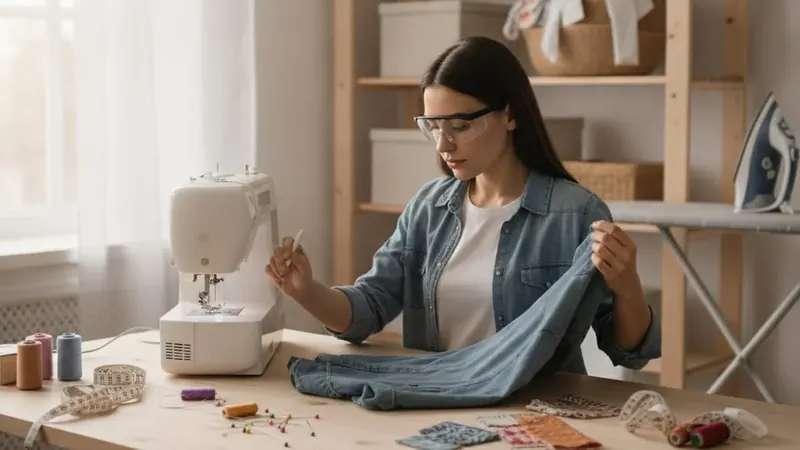
Designing, repairing and refreshing clothing and textiles at home has become a creative, money-saving field with a significant environmental contribution in recent years. More and more homes in Israel are adopting a DIY approach to extend the life of their clothes, upgrade curtains, cushions and bedding, and even create completely unique items. Topf Victor Ltd. is considered a leading, professional name in sewing equipment, and offers solutions that let anyone move from basic handwork to advanced, precise projects.
Preparation and basic tools for textile work at home
Before you start repairing or redesigning, it is important to know the basic tool set: good fabric scissors, sewing pins, hand and machine needles, a tape measure, marking chalk, threads in matching colours and a seam ripper. Keeping the tools in a dedicated box makes the work easier and prevents equipment from getting lost. It is best to start with simple projects such as shortening a hem, repairing a seam that has come apart or taking in a light shirt, and only later move on to more complex projects. Choosing the right fabric for the planned use (breathable fabrics for everyday clothes, durable fabrics for upholstery) directly affects the result and how well it lasts over time.
Sewing machines and a more professional entry into DIY
When you move from occasional repairs to more regular work, investing in quality sewing machines brings precision, speed and a professional finish. It is important to choose a machine with the basic stitch modes (straight, zigzag, hems), adjustable stitch length and width, and interchangeable feet for working on different types of fabric. Topf Victor Ltd. guides sewing enthusiasts and beginner designers in choosing the model that suits their level of knowledge, the type of projects and their budget, so they can grow with the equipment over time. Regular maintenance (cleaning, oiling where needed and changing needles) extends the life of the machine and improves the quality of the stitches.
Refreshing and upgrading existing clothes instead of buying new ones
One of the most effective ways to save money and reduce waste is to refresh clothes you already have. You can turn old jeans into a skirt, add decorative patches to a torn knee, replace standard buttons with designer buttons, or add trim ribbons to the edges of sleeves and hems. Precise work starts with correct measuring and marking on the garment before cutting or sewing. It is best to test the stitches on similar scraps of fabric before working on the item itself, to make sure the tension, stitch length and type of thread are right. The result is attractive, strong and comfortable to wear for a long time.
Choosing a home sewing machine for advanced projects
For those who already have basic experience and want to expand their skills, an informed choice of an advanced home sewing machine makes it possible to take on projects such as evening dresses, light jackets or sets of home textiles. Pay attention to motor power, ease of threading, built-in lighting, decorative stitches and the option of sewing buttonholes and buttons automatically. Professional guidance in choosing the machine, as offered by Topf Victor Ltd., helps match the specifications to real needs rather than deciding on price alone. That way you can enjoy reliable equipment that serves you for many years.
Tips for safe, efficient work and first steps to deepen your knowledge
When working with needles, scissors and a machine, it is important to keep safety in mind: unplug the machine when changing a needle, keep your fingers away from the presser foot, and store sharp scissors out of children's reach. It is a good idea to practise on spare fabric before starting each new project, and to keep a notebook with notes on the types of thread, needles and stitches that gave good results. Combining self-study, watching professional tutorials and buying suitable equipment allows any home to gradually become a small studio for creating and refreshing. Choosing the right equipment and accessories through a professional supplier such as Topf Victor Ltd. is a significant step towards further progress in DIY textiles and clothing.