Choosing a Car for Tel Aviv Life: Parking, Charging and Everyday Needs
A car that fits Tel Aviv life should fit your regular parking space, carry the people and equipment you actually travel with, and have a workable refuelling or charging routine. Start with your street, building and ordinary week, then compare size, powertrain and condition.
Picture arriving home with groceries. You turn into the parking space, open the door and lift your bags out. Rehearsing that small sequence can tell you something a specification sheet cannot: whether the car makes your everyday movements comfortable. It is a useful starting point for residents, commuters and newcomers buying their first vehicle in Israel.
Map your week, then measure the parking space
Write down a typical week's journeys: work, school runs, shopping, evenings out and visits beyond the city. Add the approximate distance, passengers and luggage for each. Separate recurring needs from occasional trips. Someone commuting from Ramat Gan or Givatayim should consider parking at both ends of the journey.
Include journeys you already make on foot, by bicycle or by public transport. This helps define the car's particular job. Regular family trips outside Tel Aviv call for checking comfort on longer drives. Daily school runs put rear-door access and child-seat arrangements high on the list.
Measure usable parking length and width, the entrance and clearance around pillars. Check height restrictions in covered garages and the stated size and weight limits of any mechanical parking system. Compare these with the candidate car's dimensions, including mirrors. Check how its turning-circle figure is defined before comparing it with another manufacturer's measurement.
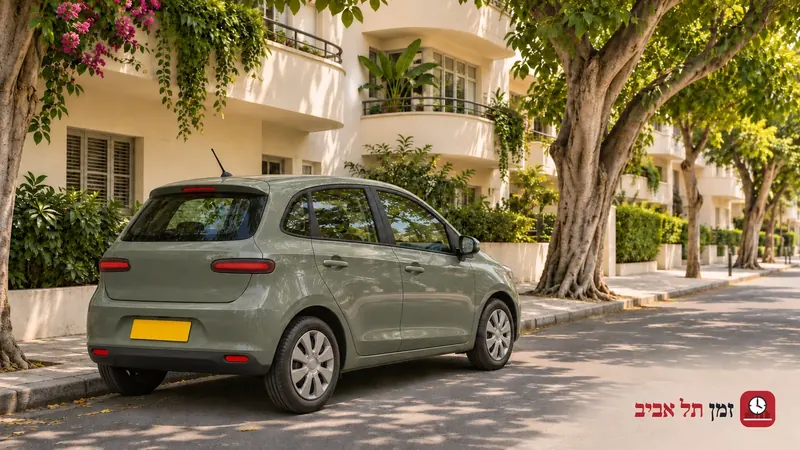
Arrange a test drive through your own street and, where possible, into your actual space. Park, open the doors and access the boot. If more than one person will drive, each should try the manoeuvre with the seat adjusted correctly. Labels such as city car, supermini and compact crossover only begin the comparison.
Try the cabin with your passengers and everyday luggage
Adjust the seat, steering wheel and mirrors before assessing visibility. Look sideways and diagonally at junctions, noting what the body pillars obscure. Try the parking camera and sensors: is the image clear, and can you interpret their warnings comfortably while also checking mirrors and looking around?
Bring your pushchair, work bag or regularly carried equipment. Test the boot opening and loading height, and check whether everything fits without folding a seat needed by a passenger. A capacity figure in litres cannot tell you whether a particular bulky item passes through the opening.
Fit child seats according to their instructions and the vehicle handbook. Ask regular passengers to sit in the back with the front seats set for the drivers. Check seat-belt access, door openings and comfort, then operate the air conditioning. Assess seating height, passenger room and luggage capacity separately.
Match petrol, hybrid or electric power to your routine
A petrol car relies on refuelling. For mainly short journeys, look beyond a combined fuel-consumption figure. The US Department of Energy and Environmental Protection Agency explain on FuelEconomy.gov that frequent short trips can reduce efficiency because the engine spends less time at operating temperature. Air conditioning and driving style also affect consumption.
A conventional hybrid combines combustion and electric power without requiring a charging connection. The US Department of Energy's Alternative Fuels Data Center explains that its battery receives energy from the engine and regenerative braking. Consider it alongside other options if regular charging is unavailable, while comparing the specific versions' consumption, servicing and warranties.
A plug-in hybrid adds external charging. The same official source explains that fuel consumption depends on the distance driven between charges. Work out when you would plug it in, and ask what the quoted consumption assumes. Request the figure for operation without a battery charge available for electric driving, too.
A fully electric car needs external battery charging. Compare range with your recurring longer journey as well as urban mileage. The Department of Energy notes that driving conditions and temperature affect range. Allow room for changing plans, and ask about charging times using the equipment actually available to you.
Check charging at the building and around your destinations
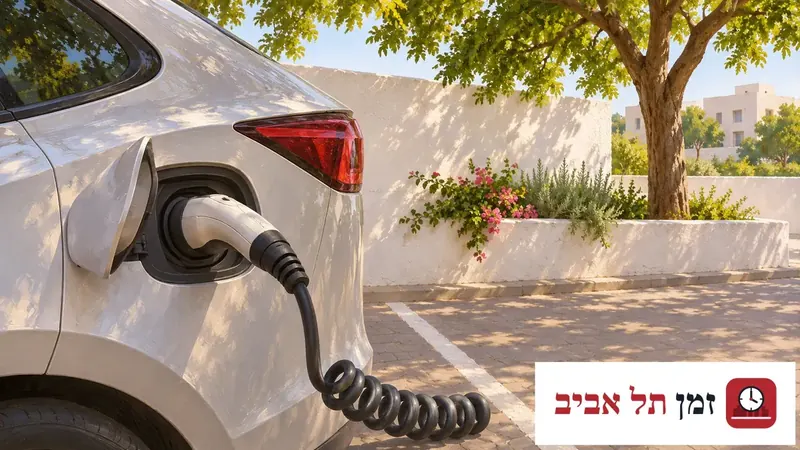
A dedicated parking space provides a starting point for a home-charging assessment. Have an appropriately licensed electrical professional assess the supply, cable route and proposed installation. Ask the building committee or management company whether a charging system already exists and what connecting to it involves.
Israel's Ministry of Energy and Infrastructure has published an apartment-building charging guide covering connection arrangements, charging management and costs. Use it to prepare questions about metering, billing, maintenance and additional users. Check the requirements and agreements relevant to your particular space, alongside current Electricity Authority instructions. For rented parking, involve the owner.
Without home charging, identify a routine you could actually follow: charging near work, a regular activity or a car park you already use. Tel Aviv-Yafo Municipality's parking-arrangements page provides information about AC and DC charging at Ahuzot HaHof car parks. Then check the operator's connector type, power, availability and payment arrangements.
Check charging charges and parking conditions separately, including any fee after charging finishes. Identify an alternative location if your first choice is occupied or unavailable. Visit at the time you expect to use it, allowing for the walk to your destination and back. A location on a map is only the beginning of the assessment.
Understand the resident parking permit before changing cars
The municipal regional parking permit is called a tav hanaya ezori. The city's eligibility page, checked on 10 November 2026, lists an updated Interior Ministry address, vehicle ownership, registration as the property's occupier for arnona and a valid vehicle licence for the standard owner application. Arnona is municipal property tax. Other vehicle arrangements require different documentation.
The current municipal policy allows qualifying permit holders to use regulated parking in their residential zone without payment, subject to signs. Different arrangements apply elsewhere, including app activation to receive the benefit. A permit does not reserve a space or override signs. Check the city's permit and parking-policy pages for current eligibility and conditions.
The municipality instructs drivers changing cars to cancel the old vehicle's permit and apply for the replacement. Add that task to your handover list. Commuters and people visiting for an evening should check the arrangements applicable to them; buying a car does not itself establish resident eligibility.
Assess the specific vehicle, whether new or used
For a new car, check that the quoted version includes the equipment you tested, and obtain its warranty and servicing schedule. For a used car, begin with the vehicle licence, seller's identity and service records, then arrange an independent professional inspection. In Hebrew, yad shniya means second-hand.
Ask how the car was used: short journeys, longer trips or extended periods parked. Compare its mileage with its age and documented maintenance. Low mileage alone does not establish condition. Inspect bumpers, wheels and tyres in daylight, request explanations and records for repairs, and have findings assessed professionally.
Include slow manoeuvres, reversing and stops in the test drive, alongside a stretch representative of your travel. Operate the air conditioning, windows, camera and sensors. The Ministry of Transport's public vehicle-history services provide mileage and ownership information for covered vehicles, described as active private vehicles from 2017 onward. Compare records with the odometer and paperwork; these databases are not complete service histories.
Check licence renewal and the test, Israel's periodic roadworthiness inspection. Ministry guidance exempts new private cars from the practical inspection during their first three years, while the licensing fee remains payable. For electric and hybrid vehicles, ask about battery condition and the applicable warranty, including transfer conditions. Compare expected expenses using current documents and quotations.
Take one practical checklist to every viewing
For further comparisons, buying guides and running-cost calculations, Motor Neto, a Hebrew-language car magazine, covers buying and owning a car in Israel. Its website also lists a number-plate lookup based on Ministry of Transport data and calculators for fuel and home-charging costs; results depend on the records and inputs used.
Use the same tasks when comparing candidates:
- Record regular journeys, passengers and luggage, marking the needs every candidate must meet.
- Measure your parking space and entrance, then compare vehicle dimensions including mirrors and any parking-system limits.
- Try parking on your street, opening doors and loading your usual equipment.
- Check visibility, child-seat fit, passenger comfort and parking-assistance controls.
- Confirm a refuelling or charging routine, a backup location where needed and associated charges.
- Compare registration, history, servicing and warranty documents, arranging a professional inspection for a used car.
- Check parking-permit eligibility and record the steps required when changing vehicles.
Finish with that arrival-home rehearsal: park, step out and unload. If those movements feel comfortable, and the paperwork and energy routine also fit, you have concrete reasons to keep the car on your shortlist.