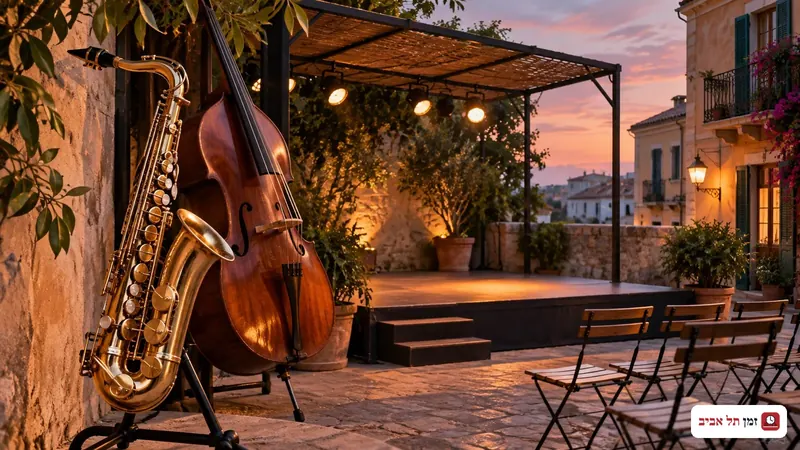
Beit Romano plan advances towards municipal ownership and continued cultural use
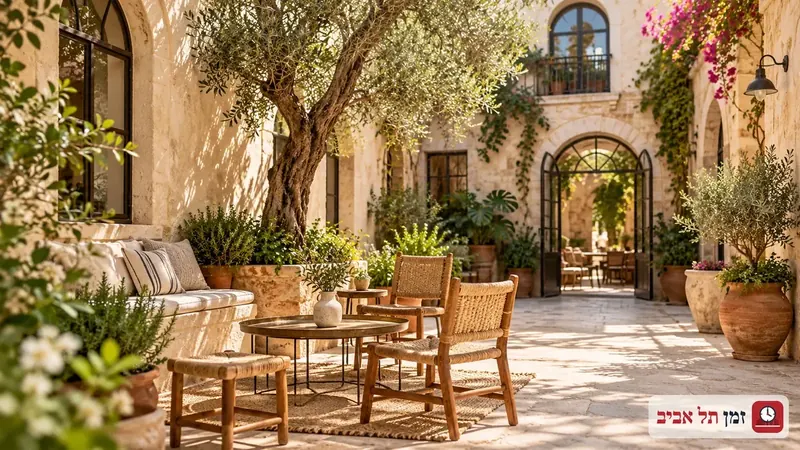
Beit Romano has taken another planning step towards a future under municipal ownership. On October 14, Tel Aviv-Yafo's local planning committee recommended advancing a plan for the cultural and nightlife complex at 9 Derekh Yafo to the district committee for deposit, according to Israel Hayom and Tel Aviv Online. The recommendation is a planning milestone, not confirmation that ownership has already transferred or that the process is complete.
The stated aim is to preserve the site's character and its role in culture, art, food and nightlife. The proposal also connects Beit Romano's future with additional development rights elsewhere in the city. For residents and visitors who know the complex through an evening out, the update concerns the framework intended to sustain activity at this address over time.
What this week's recommendation would enable
The reports describe a proposed public designation for Beit Romano, with commercial activity, craft and creative employment also permitted. That combination is central to the idea. The intention concerns both the physical building and the mix of uses associated with it. It should not be read as a guarantee about any individual business or operator.
No completion date for the ownership transfer is provided in the reporting. Nor does the planning update establish a future events calendar. Someone hoping to visit tonight still needs current information from the relevant venue or organiser. Planning coverage cannot substitute for details about opening hours, tickets or a table reservation.
Keeping those two layers separate makes the announcement more useful. At city level, it points towards a public and cultural role for the complex. At visitor level, Beit Romano remains a place whose activities need to be checked by date and occasion. You can be interested in its long-term future while arranging a present-day visit without confusing the two timelines.
Why the courtyard matters as much as the facade
Beit Romano is a four-storey building surrounding an open inner courtyard. It developed from a traders' building into a cultural and leisure destination. For an international reader, its significance is therefore more than that of a building to photograph: the setting has accommodated changing forms of urban activity.
That offers a useful way to look at the place during a visit. Notice the transition from street to interior, the meeting points and the relationship between open and enclosed spaces. Stay within areas open to visitors and avoid interrupting working businesses. An urban building can be understood through its permitted everyday uses as well as through its history.
Preserving a structure and deciding what happens inside it are connected but distinct tasks. The proposal seeks to allow a range of activities. Questions about future operators, programming and the extent of public access require additional information. Interest in that future content complements the planning story; it cannot be answered simply by reading the proposed ownership arrangement.
How other development sites fit into the proposal
The reported plan covers Beit Romano, the Niva Gat Rimon site and 64 Menachem Begin Road. It proposes approximately six to seven additional floors on each of three towers already approved under existing plans. The arrangement described in the coverage links public uses at Beit Romano with extra development rights at the other sites.
The Niva Gat Rimon component also includes housing and affordable housing, with approximately 50 affordable units envisaged in the reports. This is a planning figure, not an announcement that homes are available for applications. Anyone interested in future housing opportunities will need separate information about the relevant project, eligibility and timing if and when that is published.
The involvement of several addresses explains why the proposal cannot be understood solely through the familiar courtyard. One component concerns a building with an established cultural identity; others concern additional uses and development rights. When further updates appear, it will help to ask which component they concern and what has changed from the proposal now being discussed.
What residents and visitors can do now
If your immediate aim is an evening out, choose the activity first and build the rest of the visit around it. Confirm the date, admission arrangements and any reservation with the organiser. Discussion of municipal ownership does not mean every future event will be free or that identical entry conditions apply throughout the complex. Those details belong to the particular activity.
When introducing the place to friends who are new to Tel Aviv, a short explanation is enough: an older commercial building has become a setting for contemporary cultural activity. The visit does not have to turn into a planning lecture. A useful question is how a place designed for one set of needs can accommodate new forms of city life.
For readers following urban development, keep the names of the three sites and look for subsequent official planning updates. Check the date and type of each decision. A recommendation, a deposit-stage decision and a final approval describe different steps; a later stage should not be attributed to an earlier announcement. The planning authorities' own information is the appropriate place to verify a specific procedural detail.
The next question concerns both process and programming
Further district-committee developments would answer one set of questions. Information about management, public activities or a cultural programme would answer another. Those updates may arrive separately. A clear understanding of the project will depend on following both rather than expecting one announcement to settle every aspect of the site's future.
For now, the confirmed development is the local committee's recommendation to advance a framework intended to retain Beit Romano as a cultural and leisure destination. It is a reason to look again at a familiar city address and consider what allows it to remain useful and interesting. A future visit may begin with food or music, while also drawing attention to the building that makes the encounter possible.