North Tel Aviv jackal reports bring calls for data and less accessible food waste
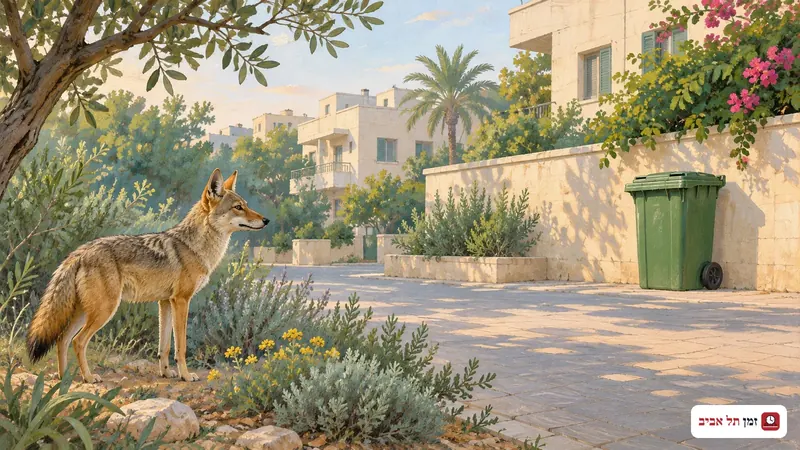
Reports of jackals near rubbish bins in northern Tel Aviv have renewed discussion about reducing encounters between wildlife and residents. Tel Aviv Online reported on November 24 that activist Sigal Waizman, a former city councillor and Nofei Yam resident, called for population, vaccination and monitoring data, alongside measures to reduce access to food in the northwestern neighbourhoods.
The report describes footage and neighbourhood-group discussions. It is not a systematic count of jackals: the number of videos alone cannot establish the population or how many different animals were seen. A photograph of a jackal near a home does not establish its health either.
Why bins matter
The Israel Nature and Parks Authority explains that accessible food, sometimes alongside water and shelter, draws wildlife into populated areas. Removing animals without addressing those attractions is not an effective solution, according to the authority. This is existing guidance, rather than an announcement of a new municipal operation in response to this week's reports.
The authority's measures include closing bins, clearing food scraps and avoiding feeding wildlife. In a shared courtyard, also check whether a bin lid actually shuts and whether open bags remain beside it. Closing the lid does not address food that is still accessible outside the bin.
In further public guidance, the authority warns that feeding and befriending jackals can reduce their wariness of people. It also advises against letting pets roam alone and says dogs should be kept on a leash during walks. Do not try to catch a jackal, chase it or approach for a better photograph.
Report a specific location without approaching
Scattered rubbish or a public bin that will not close can be reported to the municipality as a specific maintenance problem. The 106 Plus service operates around the clock. The city lists *9106 for mobile callers, alongside its app, WhatsApp and an online form. The app allows residents to attach a photograph and follow the handling of their report.
Give the street, house number or a clear landmark, the time and what you actually observed. Distinguish an animal sighting from an open bin or food left outside. That produces a report of something that can be checked, rather than a conclusion about its cause. Take a photograph only from a safe distance, without following the animal.
The request for data and everyday waste management serve complementary purposes. Data is needed to understand the situation, while reducing accessible food is already part of the professional guidance. Publishing current municipal figures would help establish whether, and where, further action is needed.